Choosing the right material for outdoor furniture is a critical decision that affects both the longevity and aesthetic of your outdoor space. With so many options available, understanding the characteristics, advantages, and drawbacks of each material is essential to making an informed choice.
Wood has long been a favorite for outdoor furniture due to its natural beauty and durability. Teak, cedar, and eucalyptus are commonly used for their resistance to moisture, decay, and insects. Teak, in particular, contains natural oils that protect it from the elements, requiring minimal maintenance while providing a warm, elegant appearance. Cedar is slightly softer but offers a lovely aromatic scent and excellent resistance to rot, making it a versatile choice. Proper care, including regular cleaning and occasional oiling, can extend the life of wooden furniture significantly.
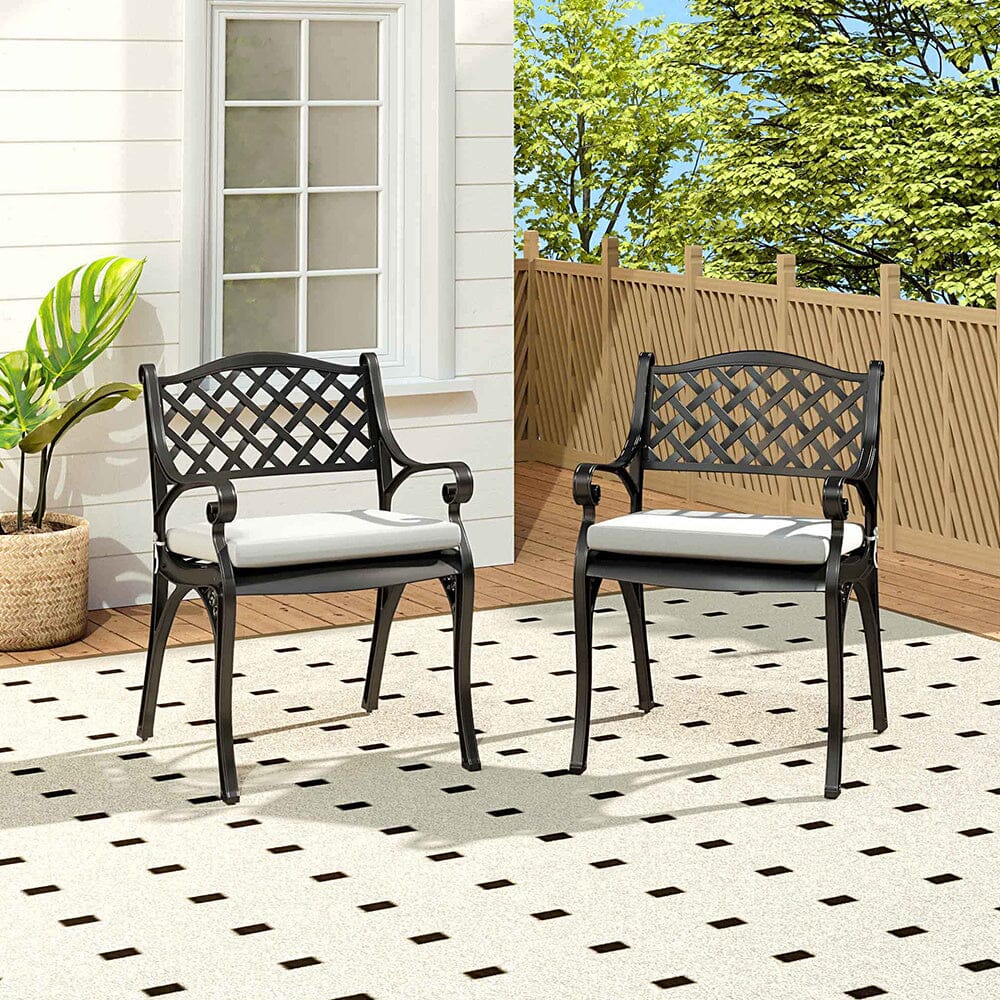
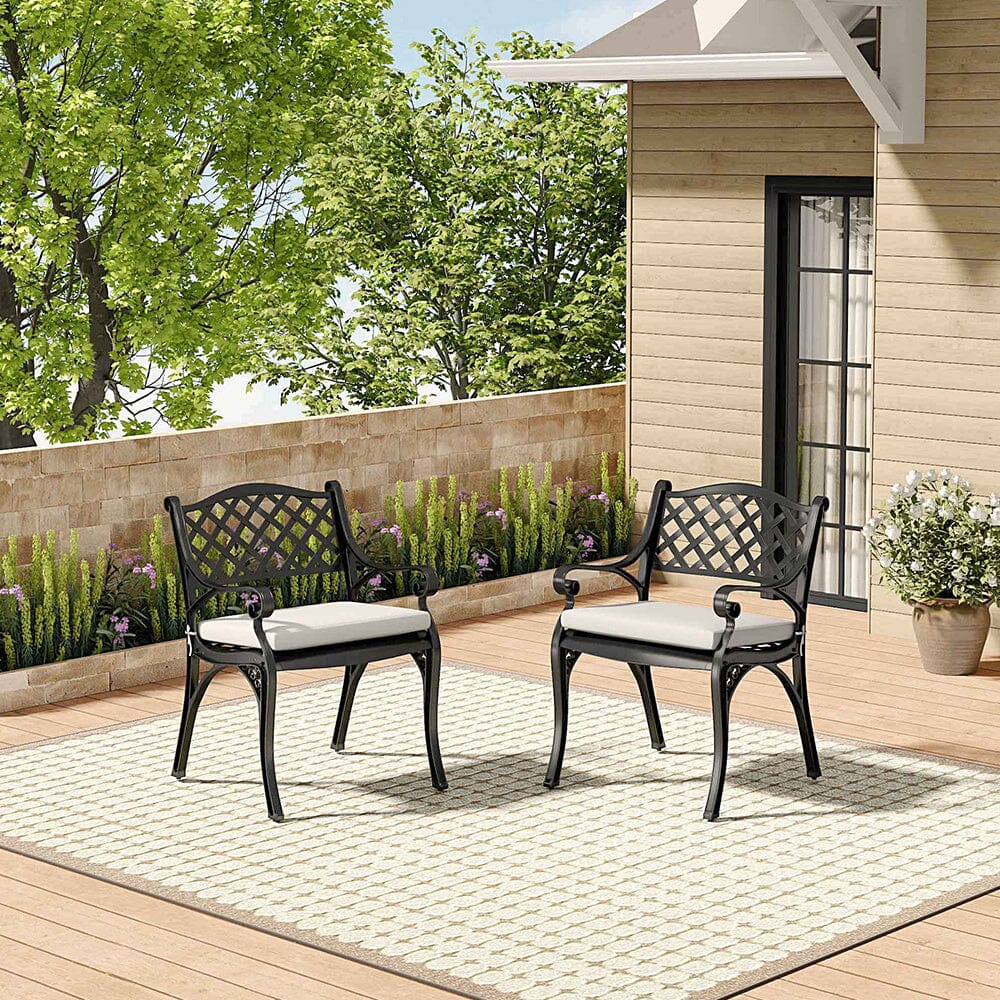
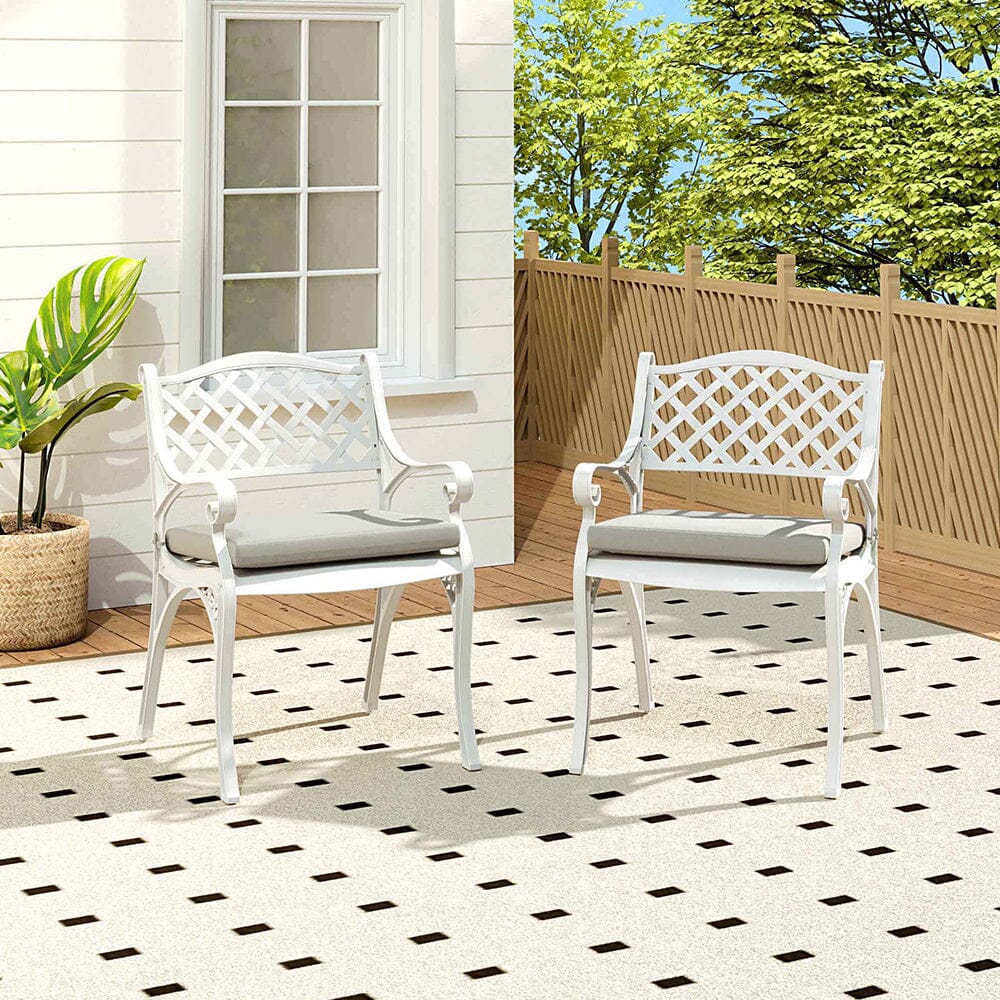
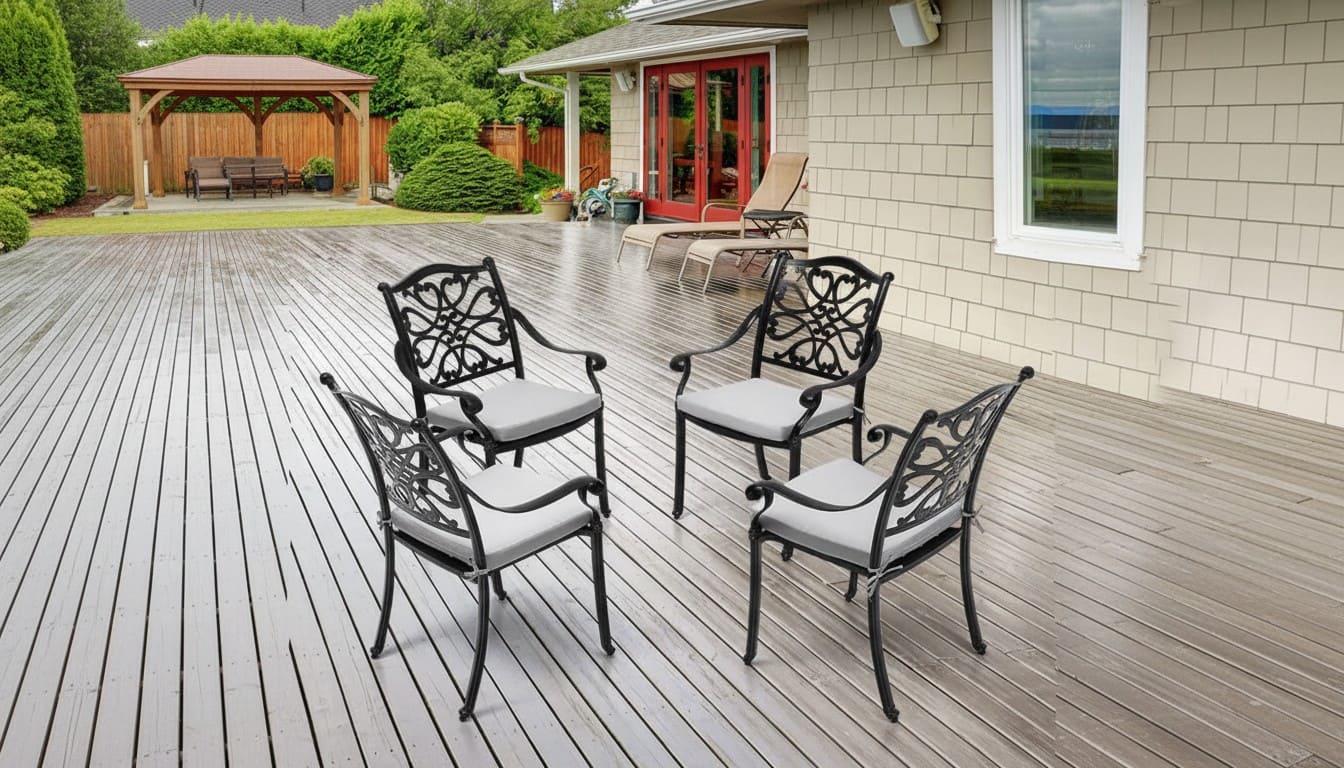
Metal furniture offers a sleek, modern aesthetic and is known for its sturdiness. Aluminum is lightweight, rust-resistant, and easy to move, ideal for those who like to rearrange their outdoor space frequently. Steel is stronger and more stable but can corrode if not properly treated. Powder-coated finishes and galvanized steel options can prevent rust and maintain the furniture’s look over many years. Wrought iron, although heavier, provides classic elegance and unmatched durability if coated against moisture.
Plastic furniture has gained popularity for its affordability and low maintenance. High-quality polymers like polypropylene are resistant to UV rays, moisture, and impact, making them suitable for a variety of climates. Plastic furniture is also lightweight and easy to clean, but it may lack the refined appearance of wood or metal options and can feel less sturdy under heavy use.
Synthetic wicker and rattan combine the charm of natural fibers with modern durability. Made from weather-resistant resins, synthetic wicker can withstand rain, sun, and wind without fading, cracking, or becoming brittle. This type of furniture often comes with lightweight aluminum frames, adding stability while maintaining an elegant woven look.
When selecting materials, consider not only aesthetics but also climate and maintenance requirements. Wooden furniture may require more attention in humid or rainy environments, while metal can become too hot in direct sunlight. Plastic and synthetic options often provide more carefree solutions but may need replacement sooner for those seeking high-end looks.
Durability, comfort, and style should always go hand in hand. Adding cushions, weatherproof covers, and proper care routines can extend the life of any material. Ultimately, choosing the right material depends on your personal preferences, climate, and how you plan to use your outdoor space.
By carefully evaluating these material options, you can create a functional and visually appealing outdoor area that lasts for years, providing a comfortable retreat for family gatherings, entertaining guests, or simply enjoying a quiet moment outdoors.