Outdoor living has become an essential part of modern homes, transforming patios, balconies, and gardens into comfortable extensions of indoor spaces. Selecting the right outdoor furniture is crucial not only for aesthetic appeal but also for functionality and durability. The ideal outdoor furniture combines style, comfort, and resistance to various weather conditions, ensuring your investment lasts for years.
When choosing outdoor furniture, one of the first considerations is material. Common options include wood, metal, plastic, and synthetic wicker. Wood such as teak and eucalyptus is popular due to its natural beauty and durability. Teak, in particular, is highly resistant to moisture, insects, and UV rays, making it an excellent choice for long-term outdoor use. Regular maintenance, such as oiling or sealing, helps preserve wood furniture and prevents cracking or fading.
Metal furniture, typically made from aluminum or steel, offers a modern and sleek look. Aluminum is lightweight, rust-resistant, and easy to move, while steel provides sturdiness but requires protective coatings to prevent corrosion. Powder-coated finishes can significantly extend the lifespan of metal furniture, maintaining its appearance even after years of exposure.
Plastic furniture has gained popularity due to its affordability, light weight, and low maintenance. High-quality polypropylene chairs and tables can resist fading, cracking, and water damage. However, plastic may not offer the same level of elegance as wood or metal options and may feel less sturdy under heavy use.
Another essential factor is style and design. Outdoor furniture should complement the overall theme of your home and garden. Contemporary designs often feature clean lines and minimalist structures, while traditional styles emphasize intricate details and classic shapes. Modular furniture sets provide flexibility, allowing you to rearrange pieces according to your needs or the season. Adding cushions, pillows, and outdoor rugs can enhance comfort and create a cozy, inviting atmosphere.
Comfort is just as important as style. Ergonomically designed chairs and loungers ensure that you and your guests can relax for extended periods without discomfort. Consider adjustable features like reclining backs, extendable footrests, and swivel capabilities. Fabrics should be breathable, water-resistant, and fade-resistant to maintain both comfort and visual appeal.
Durability is a key consideration for outdoor furniture exposed to sun, rain, wind, and even snow. UV-resistant coatings, rust-proof metals, and weatherproof fabrics help ensure longevity. Seasonal storage or protective covers can further extend the life of your furniture, particularly in regions with harsh weather conditions.
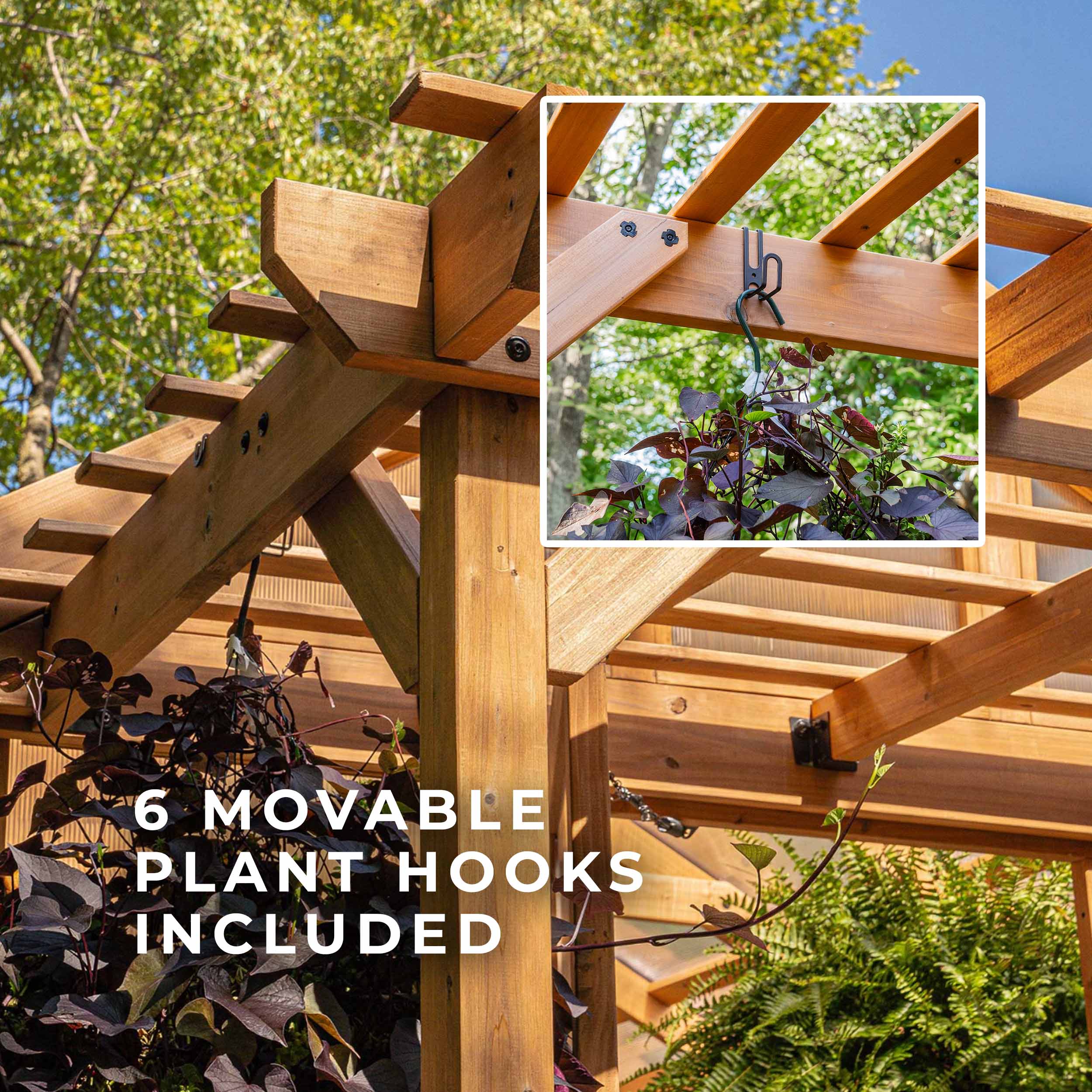
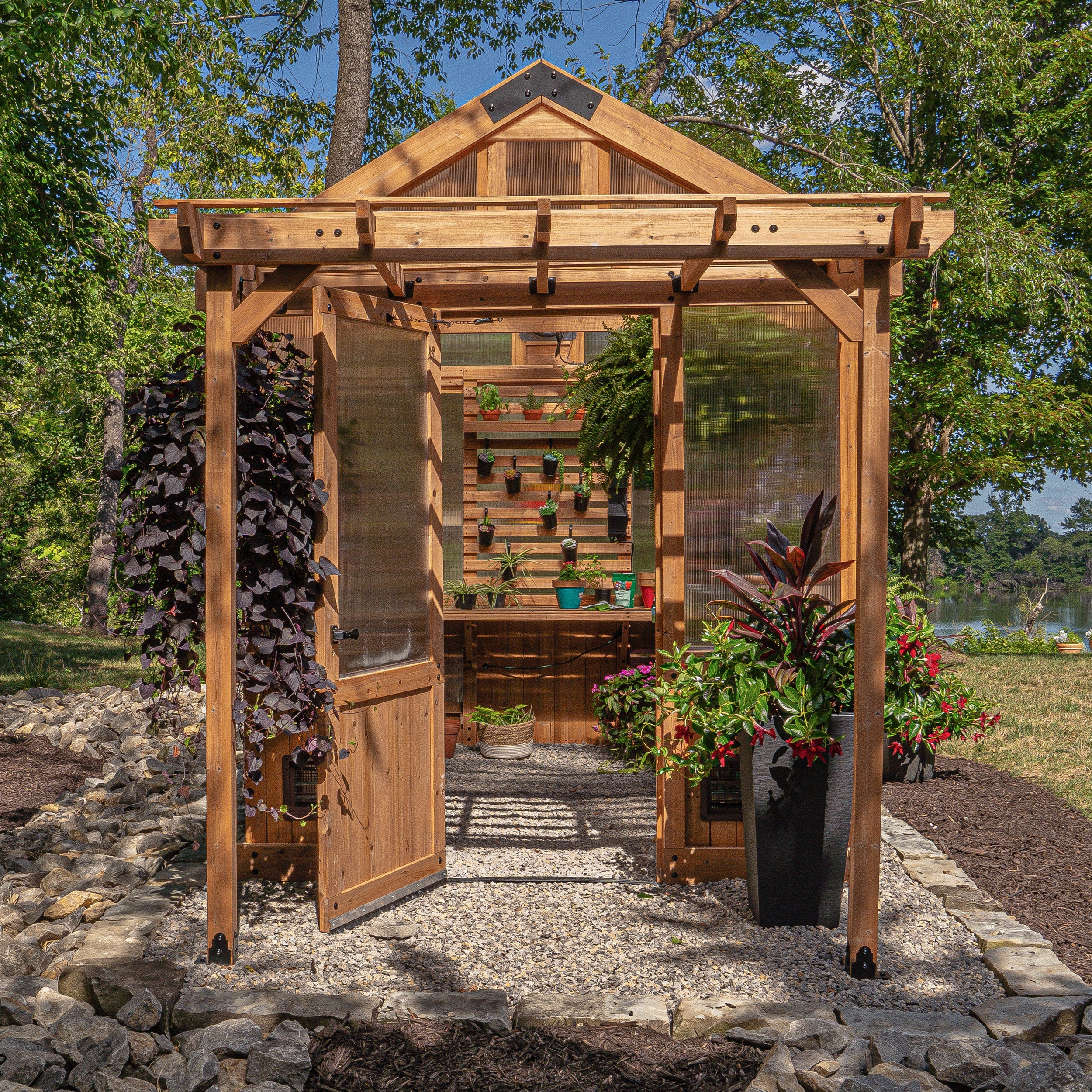
Finally, accessories and personalization can elevate your outdoor space. Umbrellas, pergolas, and shade sails provide shelter from the sun, while decorative lighting and planters enhance ambiance. Personalized touches, such as colorful cushions, patterned throws, or themed decor, make your outdoor area truly unique.
In conclusion, choosing the right outdoor furniture requires careful consideration of material, style, comfort, and durability. Whether you prefer a minimalist modern setup or a traditional garden retreat, the perfect furniture will help you transform any outdoor area into a welcoming space for relaxation, entertainment, and connection with nature. By investing in quality materials and thoughtful design, your outdoor living space can become a sanctuary that blends functionality with beauty for years to come.